“I’m not good at that.” Most of us have said it. After all, we cannot all be good at everything.
Journaling. Memorizing Scripture. Praying. Insert “fruit of the Spirit.” Sometimes a limitation is real. But let’s not mistake being unpracticed for being unable.
Proverbs 24 gives us a different way to see it. Wisdom is not merely something we possess. Wisdom builds. It does not merely talk about the work. It makes something.
Wisdom doesn’t mean what you think it means
By wisdom a house is built, and by understanding it is established; by knowledge the rooms are filled with all precious and pleasant riches.
Proverbs 24:3–4 (ESV)
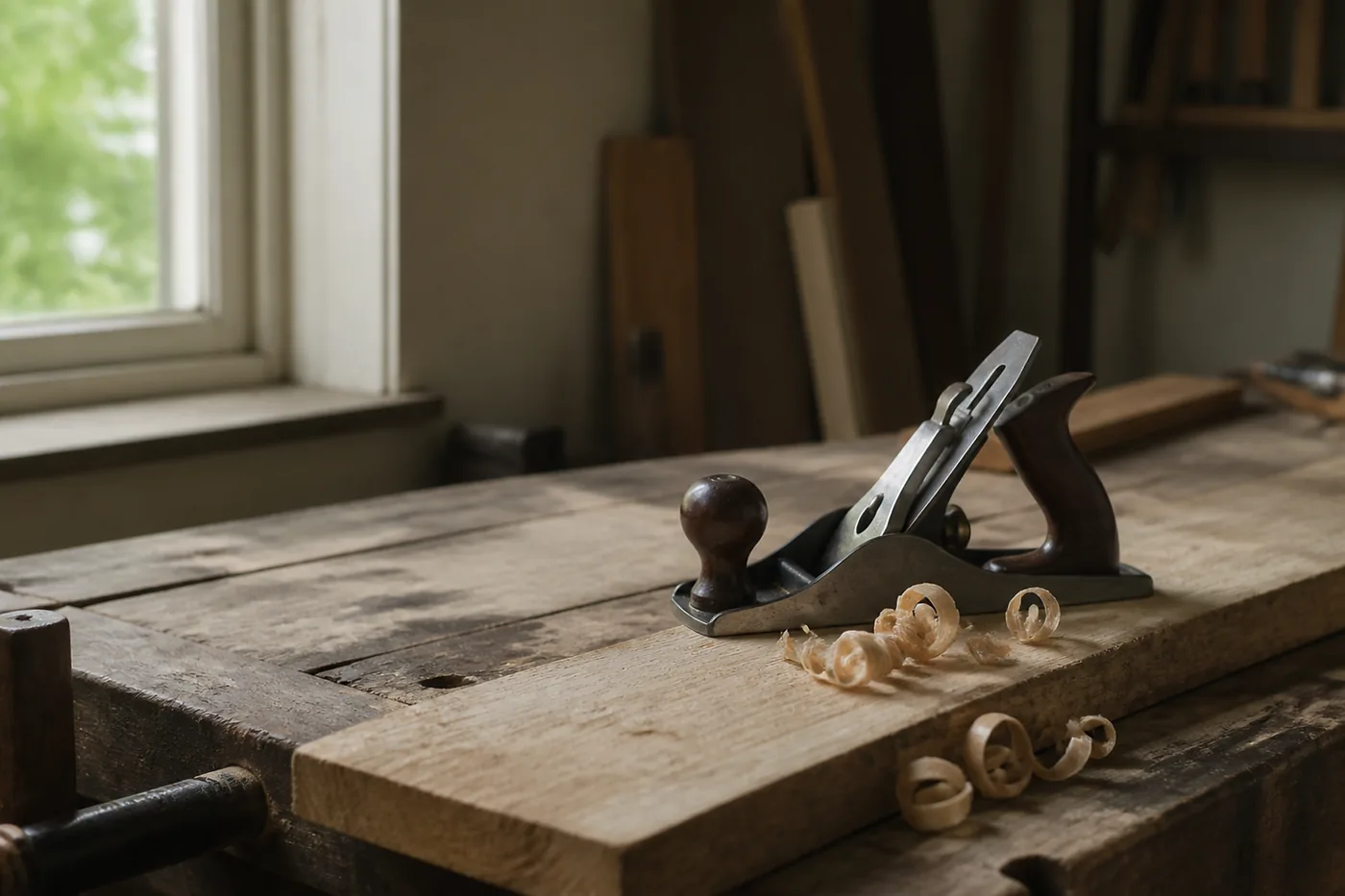
The Hebrew word translated “wisdom” is chokmah. It is a craftsman’s word: practical skill, craftsmanship, mastery. Wisdom in the hands, not only in the head.
Chokmah is not knowing about a thing. It is being able to make the thing. Nobody thinks a house into existence. Somebody learns the tools, works the material, makes corrections, and puts it up.
Wisdom is a skill that we can learn through practice.
Practice changes what feels permanent
Our oldest son, Cole, is learning to drive. We learn when to brake, how hard to brake, and how much space to leave through a long series of adjustments. Eventually, we stop reciting the lesson at every intersection. The skill moves into our hands.
Some things come naturally. Some do not. But skills can grow through volume and time. “I can’t memorize Scripture.” Maybe not yet. Start with one verse. One sentence. Read it ten times a day for a week, and see what sticks by Sunday.
You’re not unable. You’re unpracticed.
Skill builds, but discernment keeps it standing
Proverbs 24 does not stop with chokmah. The second word is tebunah, translated “understanding.” It comes from a root meaning to discern between—to look at two things that seem alike and know which one is which.
Skill puts the house up. Discernment keeps it standing. Staying standing requires us to know the difference between what looks right and what is right.
Trust in the Lord with all your heart, and do not lean on your own understanding. In all your ways acknowledge him, and he will make straight your paths.
Proverbs 3:5–6 (ESV)
To understand is to stand under something stronger than ourselves. Our own read of a situation shifts. We change our minds. We are not infallible. So we practice to make us able to build, and we discern by looking at the Builder’s plans.
Daniel practiced before the pressure came
Late in Daniel’s life, a new law made prayer illegal. He knew the document had been signed, and still he prayed and gave thanks “as he had done previously.”
Daniel did not decide that afternoon to become the kind of man who prayed under pressure. Prayer had become ordinary to him. He had established that holy habit over decades, so when the law came for him, he did not have to invent faithfulness in the moment.
Nobody builds a pillar in crisis. We set it earlier, on an ordinary day when nothing dramatic is happening. Then it holds when pressure comes.
Start on an ordinary day
We do not need a dramatic moment to begin. We need one faithful practice and enough ordinary days to establish it.
- Name one thing you have called yourself bad at.
- Give it reps, not intentions. Set aside ten minutes most days for four weeks.
- Set the pillar before the storm. Begin now the practice you would want holding you up in a hard season.
- Stand under God’s Word. When you do not know what to do, listen to something more reliable than your feelings.
You are not going to think a house into existence. But you were never asked to. Wisdom is given by God. Skill grows through faithful practice. And a life established under Him can carry weight when the pressure comes.